
How to avoid failure in reverse engineering? Part 1
Introduction
Reverse engineering is a technique that can repair parts of machines that are no longer supported, but it is not possible to repair all products or parts, and there is a possibility that the repair will fail.
In this column, we will explain how to increase the chances of successful reverse engineering.
1. Materials that show the original shape, such as parts diagrams
When reverse engineering a deformed or damaged part, the original shape is inferred from the location and parts where it was attached and then redesigned.
We try to design in a way that restores the original specifications as much as possible, but the difficulty of the design varies greatly depending on whether or not there is documentation that shows the original shape.
2. Various information about the damaged machine
For example, if only a damaged part is removed and you want to repair it by looking at just that part and reverse engineering it, there is no information to use as a reference for the design, so it is an extremely difficult task with a high risk of failure.
When carrying out repairs, we may need to ask for a lot of advice, such as the parts installed, the circumstances leading up to the damage, the environment such as the atmosphere, the work methods used by the workers, and the timing of maintenance.
This is because the more information we have, the more solid the design specifications become, and the greater the chances of a successful repair through reverse engineering.
Please contact us if you need assistance with drawing machines or machine parts!
We accept consultations regarding machinery, such as old machines that have broken down. If you have any problems with your old machines, please feel free to contact us using the inquiry form below!

Enhanced safety features through reverse engineering: Area sensors
Introduction Reverse engineering often involves requests to recreate parts from older machinery that are no longer supported. However, many older machines prioritize production capacity and do not meet modern safety standards, and the machines are problematic…
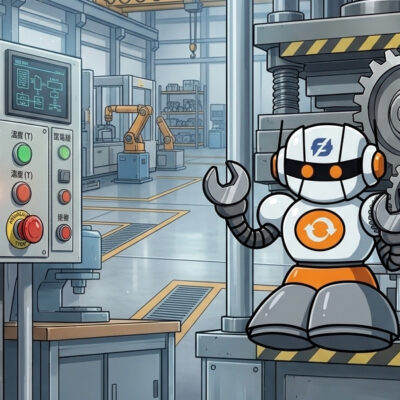
Enhanced safety features through reverse engineering – Double switch
Introduction Reverse engineering often involves requests to recreate parts from older machinery that are no longer supported. However, many older machines prioritize production capacity and do not meet modern safety standards, and the machines are problematic…

Reverse Engineering for Enhanced Safety – Safety Fences
Introduction Reverse engineering often involves requests to recreate parts from older machinery that are no longer supported. However, many older machines prioritize production capacity and do not meet modern safety standards, and the machines are problematic…

Reverse Engineering and Components ~Screw Shafts~
Introduction When older machinery is beyond repair, we receive inquiries about reverse engineering. While we receive inquiries about a wide variety of machines, there are certain parts that we are surprisingly often asked to work on. This column will discuss such parts…

Reverse Engineering: How to Avoid Failure? Part 2
Introduction: Reverse engineering is a technique that can repair parts of machines whose support has ended, but it cannot repair all products and parts, and there is a possibility of failure. This column will explain how to perform reverse engineering…

Difficult even with the physical object? Reverse Engineering of Gears
Introduction Gears are a common subject of reverse engineering requests due to their failure. While the basic mechanism of power transmission is the same, the shapes and combinations of gears vary greatly depending on their application. Even I, the author, discover something new every time I research gears…

Points to note when choosing grease
Introduction: Most machines with rotating parts, such as shafts, use bearings. Inside the bearings, grease is sealed to prevent wear and ensure smooth operation. Different types of grease are used depending on the application…

Reverse Engineering Techniques: Material Selection Based on Application (Part 3)
Introduction When using reverse engineering to repair old machines and restore parts, the material of the part can be a headache. If you make a new part using the same material as the damaged part, you can't easily distinguish it by measuring it with measuring tools or by looking at its color because the original part is still available...

What are the advantages of 3D printers that shine through reverse engineering?
Introduction 3D printers have become commonplace, not only in the manufacturing industry but also among many people who use them personally as a hobby. However, there are many advantages to effectively utilizing 3D printers in the field of reverse engineering. This time…

What are the essential points to check when reverse engineering!? <Part 3 - Components>
Introduction Reverse engineering, while a broad term, deals with a wide variety of machines and parts. Analyzing such diverse objects using reverse engineering is no easy task. In fact, when proceeding with reverse engineering…

Reverse Engineering Techniques: Material Selection Based on Application (Part 2)
Introduction When using reverse engineering to repair old machines and restore parts, the material of the part can be a headache. If you make a new part using the same material as the damaged part, you can't easily distinguish it by measuring it with measuring tools or by looking at its color because the original part is still available...
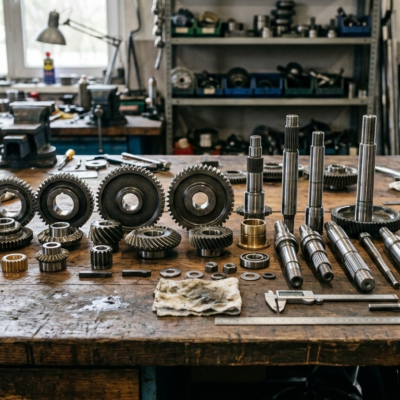
Reverse Engineering Techniques - Selecting Materials by Use, Part 1
Introduction When using reverse engineering to repair old machines and restore parts, the material of the part can be a headache. If you make a new part using the same material as the damaged part, you can't easily distinguish it by measuring it with measuring tools or by looking at its color because the original part is still available...
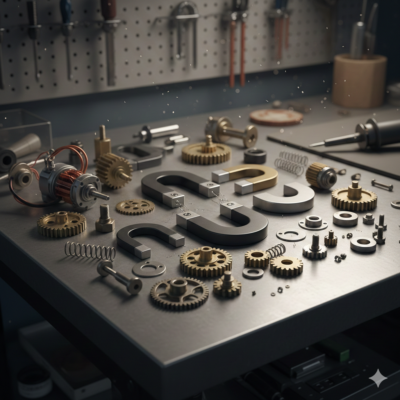
Reverse Engineering Techniques - Material and Substance Investigation Part 2
Introduction When using reverse engineering to repair old machines and restore parts, the material of the part can be a headache. If you make a new part using the same material as the damaged part, you can't easily distinguish it by measuring it with measuring tools or by looking at its color because the original part is still available...

Reverse engineering technology - material and substance investigation
Introduction When using reverse engineering to repair old machines and restore parts, the material of the part can be a headache. If you make a new part using the same material as the damaged part, you can't easily distinguish it by measuring it with measuring tools or by looking at its color because the original part is still available...
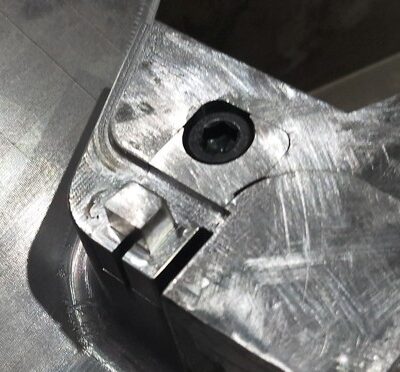
Examples of reverse machining of molds made by other companies
Introduction When you have trouble with an old machine, the most common problem is repairing broken parts. If there are drawings for the parts, you can recreate them based on those, but with old molds, there are often no drawings, so repairs are often abandoned...