
What's needed for system automation? Part 2
Introduction
In light of the ongoing severe labor shortage, there is a rapidly growing movement to automate processes in the processing and manufacturing sectors.
Fuso Seikou Co., Ltd., which operates this solution site, has experience in reverse engineering as well as automating processing machines.
Similar to reverse engineering, automation projects can sometimes be perceived as highly difficult to automate, while at other times the opposite is true.
This column will discuss the challenges involved in implementing automation.
How far can automation go? A rapprochement between machines and humans.
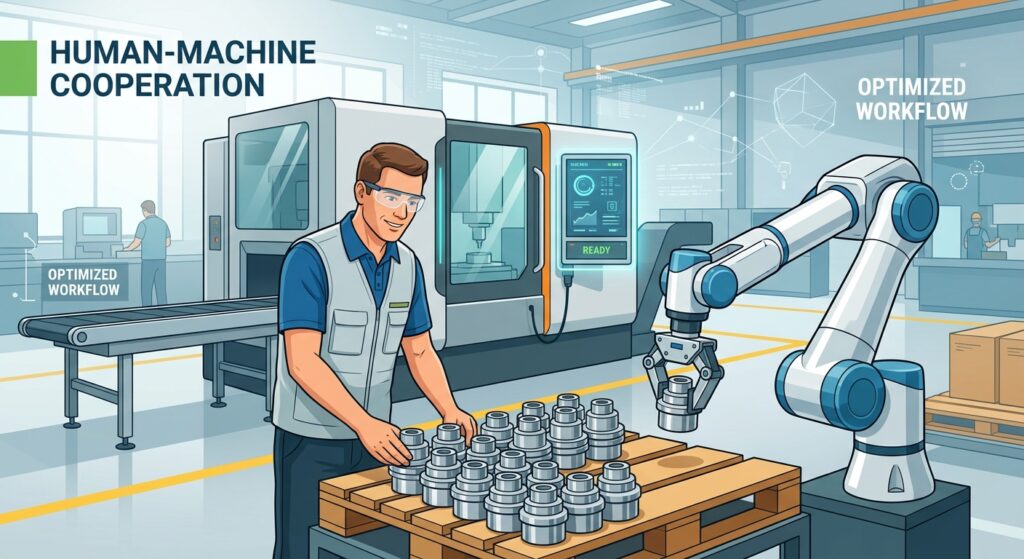
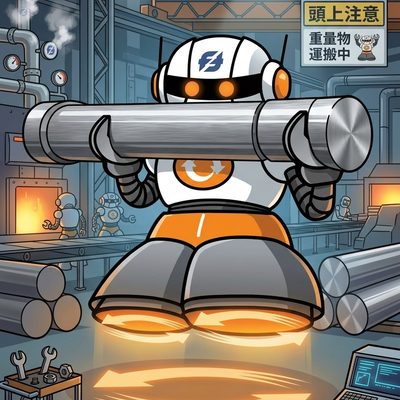
The factory is fully automated: robots automatically sort incoming materials, set them in processing machines for processing, and once the products are complete, they are automatically boxed and shipped.
Ideally, all factory equipment could be replaced with fully automated systems at once, but due to various issues such as cost, factory equipment, and personnel, this is not easily achieved.
One type of automated equipment used in many factories is what is broadly called a loader, which loads materials into a processing machine and places them in a designated location after processing is complete.
The reason this method is widely used is that once the materials are set, the machine can produce products without requiring constant human intervention, allowing the person in charge to perform other tasks, thus reducing personnel costs.
Furthermore, since processing can be carried out even late at night when no one is present, simply by setting up the materials, it is possible to increase the number of products produced.
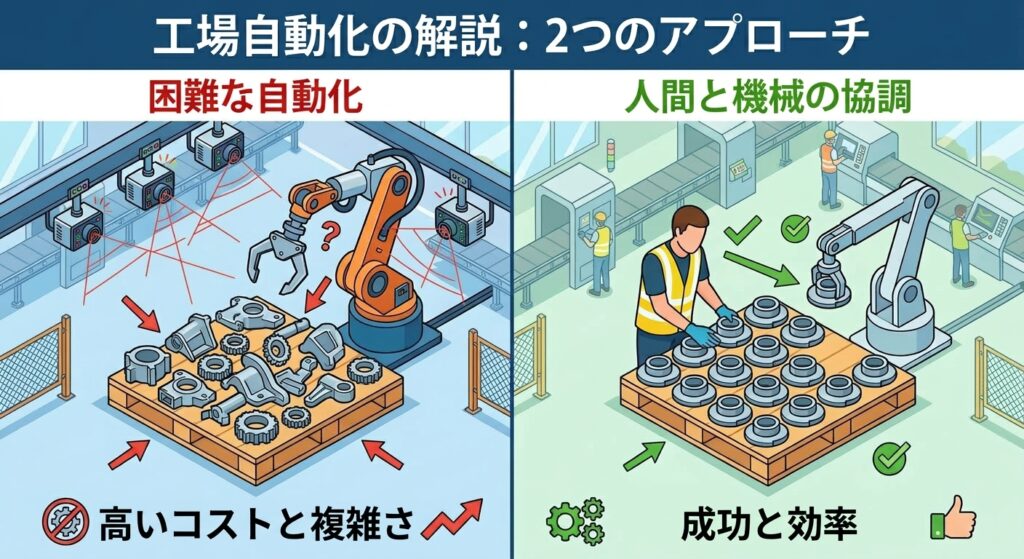
As described above, automation with loaders has many advantages, but when implementing it, if you replace tasks that were previously done by humans with automated machines, there are often patterns that cannot be automated if you simply try to leave the work that was previously done by humans to the machines, or it may be possible but would be extremely costly and time-consuming.
A common example is a model where raw materials are haphazardly arranged on pallets, which are then loaded into processing machines by a person, and after processing, the materials are placed back onto pallets for transport.
If we were to automate this process directly, a machine retrieving haphazardly arranged materials would require an expensive camera, a program to identify them, and a startup process to check that the system is functioning correctly—resulting in a very costly loader.
Therefore, when automating a process, it is necessary to have a human set up the machine in a way that allows it to operate smoothly, before the automation process begins.
Aligning the work processes of machines and humans is extremely important, and it's no exaggeration to say that this is the part that requires the most time and consideration when implementing automation.
If you're having trouble with machine automation or outdated machinery, please contact us!
In addition to consultations regarding automation, we also handle consultations regarding machinery, such as older machines that are malfunctioning.
If you have any problems with your machinery, please feel free to contact us using the inquiry form below!
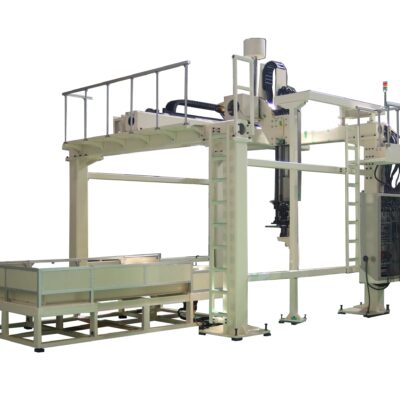
What is a gantry loader that overcomes the shortcomings of conventional gantry loaders?
Introduction: In light of the ongoing severe labor shortage, there is a rapidly growing movement towards automation in the processing and manufacturing industries. Fuso Seikou Co., Ltd., which operates this solution site, offers services including reverse engineering and automation of processing machines…
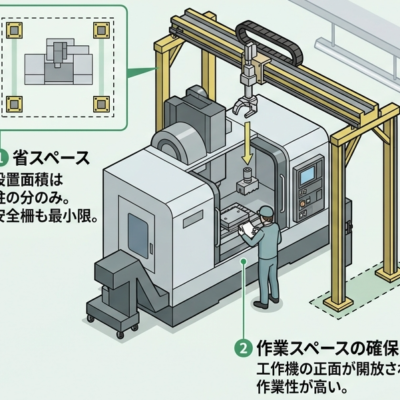
Gantry loaders are amazing!
Introduction: In light of the ongoing severe labor shortage, there is a rapidly growing movement towards automation in the processing and manufacturing industries. Fuso Seikou Co., Ltd., which operates this solution site, offers services including reverse engineering and automation of processing machines…
What is needed for system automation? Part 1
Introduction: In light of the ongoing severe labor shortage, there is a rapidly growing movement towards automation in the processing and manufacturing industries. Fuso Seikou Co., Ltd., which operates this solution site, offers services including reverse engineering and automation of processing machines…